PHILANTHROPY AND PHILODENDRONS
Field Course: Flora of Northern California's Mountains

Figure 1: Dr. Dan Potter, Seth, and Brynn crossing a creek to inspect a Platanthera species
This summer I had the wonderful opportunity of finishing off my undergraduate degree with PLS 148 -- Field Course: Flora of Northern California's Mountains. Going into this course, I was excited because not only did I have a feeling we would see some pretty cool plants, but I also love the kind of community these sorts of experiences tend to build.
Leading up to the class, Dr. Dan Potter (professor) and Will McMahan (head TA) held multiple zoom meetings to inform us about logistics. Each person was instructed to bring breakfast and lunch ingredients for themselves, as well as eight dinners. The course was two weeks long, and we did group dinner at the Mineral Lodge both Sundays. Additionally, Dr. Potter bought ingredients for four group dinners (two per week) which we had at the Lassen Headquarters.
As for our sleeping arrangements, we were each asked to bring our own sleeping bag, pillow, and tent. If we did not have a tent or sleeping bag we were invited to request one through a google form, which I did because I do not own a tent. For my sleeping bag, I went to Easy Wind Gear in downtown Davis, which is a second hand outdoor gear store I have bought from previously. I wouldn't usually buy a sleeping bag second hand, but Easy Wind Gear it is a small business and the owner seems as though he has lots of experience with outdoor living and activities.
The class started on Saturday, July 11th when we met on UC Davis campus to distribute gear and people among those able to drive to Lassen. I drove my stuff, along with two others, only stopping for a quick bathroom break and to grab gas before the final thirty minute stretch to Mineral. Upon arriving, Will walked us all around the campground pointing out the bear boxes, spigot, bathroom, and trailer showers we would be using. I would definitely describe our living situation as maximum glamping!


Figure 3: One of the beautiful sunsets at our campground
Figure 2: Our campground after everyone left
Not only were our amenities incredibly comfortable, but we also had access to two cabins inside the Lassen Headquarters (across the street from our campground) which were fitted with a full kitchen and bathroom each. About halfway through the first week we were also informed that we would be able to shower in these bathrooms.
Back to Saturday, we spent the rest of the night settling in and playing a few games to learn names and get to know each other. Sunday was similar, except Will gave us a talk about their career, their ethnobotanical work, and some of the history of the Indigenous tribes native to Lassen. We also went to the Mineral Lodge for dinner.

Figure 4: Streptanthus tortuosus at the Bumpass Hell Trailhead


Figure 6: Pyrola picta near the southwest park entrance (taken at a later date)
Day 1: July 13th
The first day we actually went out to do collections was Monday. We first stopped at the Bumpass Hell Trailhead to discuss the geological history of the park, including the four main kinds of volcanoes.
We then drove over to the Lassen Peak parking lot, which had a nearby dry, rocky, valley area primarily dominated by Polygonaceae taxa, Carex species, and tons of Lupinus obtusilobus. I forgot to take photos of this area, but it was at this location I collected my first plant of the course: Eriogonum pyrolifolia. This is also where my friend Jocelyn collected Phyllodoce breweri, one of the plants I was hoping to see.
After that, we headed to the Brokeoff Mountain Trail, where we embarked on our first hike of the course. We separated into collections groups of ~4, which helped organize us by our hiking pace and improve the likelihood that we would still together. My collections group was Jocelyn, John, Seth, and more often than not, Dr. Potter.
On this hike, I collected three more plants: Allium campanulatum, Pyrola picta, and Chimaphila menziesii. After that, we headed back to the Mineral Conference Room (MCR) to clean off our plants, key them, and press them. I will get into this process more once I've received photos, but I was too busy trying to get all my ducks in a row to document the process.
Figure 5: Allium campanulatum on the Brokeoff Mountain Trail

Figure 7: Map of Lassen Volcanic National Park, all spots visited by my collections group marked with pink stars. We also visited multiple places outside the park but still within the Lassen National Forest, including Wilson Lake, Sugar Pine Trail and Meadow, Swain Meadow, Subway Cave Lava Tubes, and Heart Lake Trail
Day 2: July 14th
The next day we met at the MCR at 8:30 am (as normal), and headed out to the Paradise Meadow Trail. The hike up was pretty quick, and the view once we got to the meadow was absolutely stunning. Right off the bat, Jacob found a Micranthes odontoloma along the creek and Roqia found a Pedicularis groenlandica in flower.
I really wanted to see the P. groenlandica and get some photos, but after showing Dr. Potter a photo of it to make sure it was okay to collect, Roqia wasn't able to locate the plant. By the time she did eventually find it, I was across the meadow collecting a couple more plants for myself: Boechera howellii and Sibbaldia procumbens.
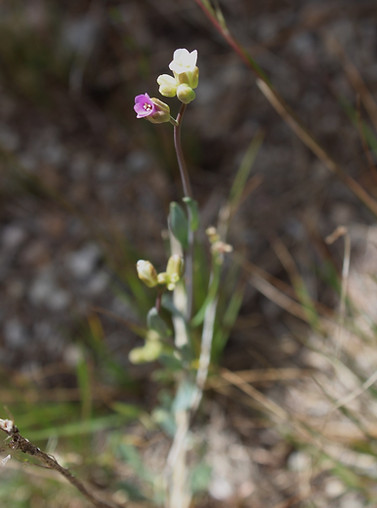

Figures 8 & 9: Boechera howellii, which has two different color flowers. I did a very preliminary search on why this could be and the first research paper that popped up suggested the white flowers may have more success getting pollinated while the purple flowers are less likely to get predated upon by insects
After hiking out of Swain Meadow, our collections group headed to two other spots. One of our group members, John, wanted to collect a plant he had seen while out on his paddle board during his free time a few days earlier. I don't know which pond we stopped at, but John ended up collecting Persicaria amphibia and I got to see Triantha occidentalis in situ for the first time.

Figure 10: Triantha occidentalis, the plant that was most recently discovered to be carnivorous

Figure 11: John collecting Persicaria amphibia from the water
After that, we headed over to Kings Creek. Dr. Potter knew that I really wanted to see Kalmia microphylla, and Steve Buckley (head of the Invasive Plant Management Team for NPS in California and Hawaii) had told him that Kalmia microphylla is thought to be one of the host plants for Castilleja lassenensis. C. lassenensis is a hemiparasitic plant that was first described in 1940 by botanist Alice Eastwood.
However, the species was mostly considered to be a synonym of Castilleja lemmonii (described by botanist Asa Gray and named after John Gill Lemon) until this past year. The research paper splitting these two species was authored in part by both my professor, Dr. Potter, and my TA for a course I took this past spring, Chenjiao Deng.


Figure 12: Castilleja lassenensis in all its glory at Kings Creek. Although it is still not yet recognized as a distinct species by Jepson, it is thought to be soon. It is also being considered for different vulnerability listings due to its limited range
Even though there was no K. microphylla in flower at this location, it was super cool to see the C. lassenensis there and I hadn't known that K. microphylla was one of its host plants so I found that pretty exciting as well.
Day 3: July 15th
The third day we went to check out an area of the park further from the range we had previously been in. We headed out to the Drakesbad area, where there were a number of different hikes to choose from. My group chose what we called the 'alpine hike.' I'm not sure if it would technically be considered an alpine habitat or not, but our hike involved a great elevation gain than the rest and I thought the plants we saw were quite beautiful. We saw a number of intriguing plants on this hike, so I've decided to just list them all below:
1) Ceanothus velutinus
2) Ceanothus prostratus
3) Ceanothus cordulatus
4) Quercus vaccinifolia
5) Phlox douglasii
6) Epilobium canum subsp. latifolium
7) Streptanthus tortuosus
8) Aphyllon sp.
9) Nama lobbii
10) Penstemon deustus
11) Penstemon newberryi
12) Chrysolepis sempervirens
13) Apocynum androsaemifolium
14) Stephanomeria lactucina
+ more

Figure 13: John posing next to Ceanothus cordulatus on the Drakesbad hike

Figure 14: Adelie and Dan C. using the field press for Stephanomeria lactucina
After we finished the alpine hike, we tried to go find the other collections groups with the ~30 minutes we had left. We headed down to what we thought would take us to the Drakesbad Meadow, and while we didn't find the other groups we did see Sidalcea oregana.

Figure 16: Nama lobbii on the Drakesbad hike

Figure 18: Seth, Jocelyn, John, and someone else I can't identify crossing a bridge near Drakesbad Meadow

Figure 15: Phlox douglasii on the Drakesbad hike

Figure 17: Sidalcea oregana near Drakesbad Meadow
Day 4: July 16th

Figure 19: Arnica chamissonis at Wilson Lake
A little further down the bank of the lake were two stunning plants right next to each other: Spiranthes porrifolia and Gentiana newberryi var. tiogana. This was the first time I got to see a Spiranthes orchid in person, and I'm not sure I've ever seen a gentian that large either. Adelie collected both of these plants.
Thursday we went to Wilson Lake, which is outside the boundary of the national park. I thought this spot was particularly nice because I don't believe the previous PLS 148 classes had been there, and there were a number of new and interesting species. It is also incredibly accessible as far as outdoor areas go.
As soon as we got there, I began collecting Arnica chamissonis. It looked super strange because the water level had dropped significantly from when the A. chamissonis first started growing. As a result, the basal leaves of the plant looked cauline. This ended up making it a little more difficult to key because the images look much different if you do a quick google search.
We also saw Utricularia macrorhiza, which Jacob collected. It was fun to help him collect it because I then got some up close photos of its underwater traps. If you look closely at the roots in Figure 20, you can see them. The newer traps remain the same lighter green as the rest of the roots, while the older traps turn dark brown.
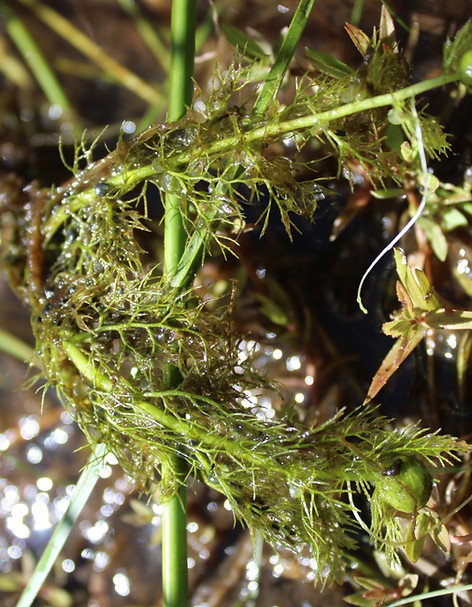

Figures 20 + 21: The roots of Utricularia macrorhiza and the flower in the top left corner
Older Root trap


Figures 22 + 23: Spiranthes porrifolia at Wilson Lake
I actually thought the G. newberryi was in Campanulaceae because I'm so used to seeing tropical campanuliids and the only gentians I've ever seen are much smaller and typically purple.


Figure 24: Gentiana newberryi var. tiogana at Wilson Lake
The last plant I found notable was the Nuphar polysepala, which has a weird looking flower. Sadly, I couldn't get as close as I would've liked without getting my shoes completely drenched, so a photo from afar will have to suffice.
We also saw an Amelanchier species which I thought was some sort of blueberry. Turns out it's in the Rosaceae family and the fruit is actually a pomme. I find this kind of funny actually because I swear I have the most difficult time identifying plants in the rose family, and that's Dr. Potter's specialty.
However, I do feel as though this trip allowed me to get a better grasp on some of the more common Rosaceae genera found in California.
Figure 25: Nuphar polysepala at Wilson Lake
Day 5: July 17th
On Friday, Steve Buckley took us to the Sugar Pine Trail outside the park to check out Lassen National Forest's last old growth Pinus lambertiana (sugar pine). I'm having trouble finding any information about its exact size online, but I'll say this: it was huge. The size of California's trees never ceases to amaze me, but what does is the fact that they really thought it was okay to just go and cut them all down. The people working at the park think the last one was left due to damage that made it worth less.
On top of that, there's a meadow nearby with a ton of Triantha occidentalis, Drosera rotundifolia, and Hastingsia alba. John informed me that the H. alba is Norcal's equivalent of Agave. I think this just means that it's in Asparagaceae and it looks like a miniature version. John was very excited to see the D. rotundifolia. I don't think his smile is ever bigger than when he sees carnivorous plants out in the wild, as shown in Figure .
I didn't end up getting to see too many plants this day because I was too busy talking Steve Buckley's ear off about his work. It was worth it though--his current job position and the career that lead up to it are both pretty cool. I hope one day I can be as successful in plant conservation as he is, but I definitely have some work to do given that he has a photographic memory.


Figure 26: Drosera rotundifolia at Sugar Pine Meadow
Figure 27: John at his happiest with the Drosera rotundifolia at Sugar Pine Meadow
Day 6: July 18th
The weekend in between we were free to do as we pleased, and John was determined to go see Darlingtonia californica. Unopposed, I took off going north on Saturday morning with him, Jocelyn, Anya, and Erin. We were headed toward Siskiyou County, where John had planned a hike and rented an Airbnb for those of us wanting to stay the night and explore further on Sunday.
Before we reached our final destination, John planned a quick stop to check out McCloud River's Three Waterfalls. It was a gorgeous location and the rest of the group waded around in the water for a bit while I went searching for whatever flowering plants I could find. It turns out it was a little low elevation so there wasn't too much left flowering. This was also the spot where I realized I'd forgotten my camera back in Lassen, which was a bit of a bummer but I made do with my phone.
One plant that did spark my curiosity was Darmera peltata, which is a
Figure 28: Hastingsia alba at Sugar Pine Meadow
native plant that grows along stream banks throughout the Western US. John and I both thought it was some sort of Gunnera species, and I was sure that it had to be invasive. It practically covered the edges of the river/stream and its leaves were so large I didn't think it could be native. I would love to go back and see it in flower sometime--when I searched it up later, it showed these brilliant cymes of bright pink flowers.
After getting back to our cars and making a quick pit stop for pizza, we headed onward to the Caldwell Lakes Trail in Siskiyou. The drive to get there was long, but mainly because of the winding two way road that spanned most of it. Once we arrived, we did a quick sunscreen reapplication and we were ready to go!
During lunch, I had done my usual peak on iNaturalist to check out some of the plants we might see on our hike. One of the plants that popped up was Astragalus whitneyi, also called the balloon milkvetch. The fruit of this plant is very unique due to its enlarged appearance and the fact that it's covered in red splotches. As a result, it was top on my list of plants I hoped we'd see.
Before we even got to the trailhead, Astragalus whitneyi was all along the sides of the path:


Figures 29, 30, & 31: Astragalus whitneyi on the road up to the Caldwell Lakes Trail
This plant was super cool to see, but even better to experience in real life. One thing our group got to talking about is how the features of this fruit aid in seed dispersal. I don't actually remember what our hypotheses were, but it didn't take long for us to discover the answer. Some of the plants were actually located on the road, and as we walked along John accidentally stepped on one and all of a sudden it sounded like someone jumping on bubble wrap. It then became very clear how the seed dispersal worked--when an animal steps on the fruit pod, it bursts and the seeds are projected outward. Maybe we should have been able to figure that out before, oops....
Anyway, I'll post a video of John stepping on some of the fruit pods on my YouTube after this. You can check it out here.


The other plant I was really hoping to see was Rhododendron occidentale. We saw it pretty soon after beginning the hike, and it was in full flower which was pretty awesome. Especially because that species doesn't grow in Lassen Park. We saw Rhododendron columbianum in flower too which ended up being pretty lucky because I never got to see it in flower in Lassen even though it does grow there.

Figures 33 &34: Rhododendron occidentale on Caldwell Trail
Figure 32: Rhododendron columbianum at Caldwell Lake
Some of the other plants we saw along the hike were two different gentians. However, I didn't actually realize the two were not the same species until I was going through my camera roll afterward. Take a peek at Figures 35 + 37 to see how similar they look to each other. Thank goodness I take photos of stuff multiple times even when I think they may be the same species! I think it's particularly fun that we saw the Gentiana newberryi at Lassen and in Siskiyou, and the drastic color difference shows how much variation you can find in just one species! Go back to Figure 24 if you want to check out the color change.


Figures 35 & 36: Gentiana calycosa on the Caldwell Lake Trail
Then we have a third purple flower, Campanula rotundifolia. As far as I know, I believe this is the first and only plant in the Campanulaceae family I saw the whole trip. Even though this one is relatively common, I find it very pretty and it is much larger than some of the other campanuliids I've seen.


Figures 37 & 38: Gentiana newberryi at Caldwell Lake


Figures 39 & 40: Campanula rotundifolia on the Caldwell Lake Trail
Before the hike, I had told Erin we probably wouldn't see any Calochortus because the more popular species known to occur along the trail, C. nudus, was an early flowerer. When I visited Tahoe to go photograph it, there I only found one or two individuals left flowering and that was about a month before this trip. Well, it turns out I was wrong. We were hurrying along the trail in an effort to get to the lake and back before sundown when Erin spotted a tiny little flower right in the middle of the trail. As you can see from their smug smile in Figure 41, they were quite triumphant that we found it. You can also see just how tiny the flower is if you zoom in near Erin's finger.
Even though the hike up was long, it was totally worth it. I'm not always the biggest view person, but the view of Mount Shasta was really beautiful. Even better was the view of the lake at the very top. It was kind of like two ponds in one, actually, because there was a long, boggy, divider portion going right down the middle. As soon as we got there, I started scoping out the outskirts of the lake to see what I could find.


Figures 41 & 42: Erin pointing at Calochortus nudus on the Caldwell Lake Trail


Figure 43: A view of one half of Caldwell Lake from the dividing portion, which had a number of small pond areas.
Figure 44: A view of Mount Shasta toward the end of the Caldwell Lakes Trail

Figure 44: A log partially submerged in Caldwell Lake nursing a number of other plants
Around the lake, I ended up finding Roridula rotundifolia, Orthilia secunda, Penstemon newberryi, Spiraea splendens, Dasiphora fruticosa, Allium validum, and the Rhododendron columbianum I showed a photo of earlier. I ventured out onto the log shown in Figure 45, which was totally great until I tried to step onto the part submerged under water. I went in face first, luckily I was wearing my swimsuit and I had water shoes on. I was planning on getting into the water anyway but I'm a bit of a ninny around cold water so I usually take a little more time to get in.
It did kind of freak me out though because the water was super clear and I thought I could see the bottom. The weird part is that what looked like the bottom was not actually the bottom, because there was a layer of silt hovering in a layer above the actual bottom. When I went in, tons of stuff starting darting out from underneath the silt so I got out as fast as I could. I like to think of myself as an adventurous person but with a sense of reason.
Orthilia secunda, as shown in Figures 45 + 46 below, is ericaceous and monotypic. I saw it the following week in Lassen in much more abundance as well. It kind of looks like an all green version of a Chimaphila or Pyrola species.
After we spent 45 minutes to an hour at the lake, we hurried back down so we wouldn't be out after sundown. Unfortunately, Anya hadn't gotten the memo about the intensity of the hike we had planned, so she a wore cute but somewhat flimsy pair of sandals which gradually disintegrated throughout the course of the hike. I honestly don't know how she even completed the hike--John and Jocelyn literally taped a sandal back onto one of her feet at the end when the straps had completely broken off. Props to her though because she was super chill about it the entire time.
Once we got back to our cars, we headed back into town to grab dinner. Afterward, it ended up being just John and I staying the night. Turns out the Airbnb increased price when adding more than two people to the stay.


Figures 45 & 46: Orthilia secunda at Caldwell Lake
Day 7: July 19th
Sunday morning I woke up tired but ready to see as much as I could before we had to head back to Lassen for 7pm dinner at the Mineral Lodge. John and I struck up a deal that we would first go to Castle Lake so he could lie on his paddle board and pretend he was in a Lana Del Ray music video and then we would head over to the Castle Crags to Castle Dome Trail to see Allotropa virgata per my request.
Although I was planning to opt out of the paddle boarding activity for my own safety, I realized upon arrival at the lake that it was bigger than I expected and there were some areas across from where we were that looked botanically interesting. Also, the owner of the Airbnb we stayed at had suggested there may be some Darlingtonia californica somewhere around there. As a result, I ended up letting John paddle board us both across the lake. The water did start to rise above the paddle board at times but we persisted.
After a deboarded, I hiked/walked back around the lake in search of the Darlingtonia californica. I didn't end up finding any and there wasn't a ton of new stuff to see generally. The only plant I found which I thought may have been a new find was Kelloggia galioides. Turns out it's not new, it's just the first time I really took note of it.
After we spent about an hour and a half there, we packed up the paddle board and drove to Castle Crags State Park to start our hike for the day. Upon beginning the hike, it was immediately apparent that John is much more athletically fit than I am. This does not mean I am not physically fit--I swear I am--but John runs half marathons every other weekend and this hike definitely highlighted that.
The whole hike was about five miles in total with an 1800 foot elevation gain, and we got it done in just under three hours which I think is pretty good. Most of the hike was relatively shady but also fairly step. Towards the end, it got pretty rocky and much more exposed. The trail then reminded me of the higher elevation trails at Pinnacles National Park, and it was at this point I learned John is afraid of heights.
In the end I think John and I would have both gone faster individually because John would've been faster in the first part due to his physical fitness and I would've been faster in the last part because I'm not afraid of heights. However, it wouldn't have been nearly as fun alone.
We did end up seeing the Allotropa virgata, but it had already gone to seed and turned brown. It's okay though because we saw Notholithocarpus densiflorus. Even though it has a pretty wide throughout California, it was the first time I saw it and actually knew what it was so that was satisfying.

Figure 49: Notholithocarpus densiflorus on the Castle Crags Trail


Figures 47 & 48: Kelloggia galioides at Castle Lake
I like to think of N. densiflorus fruit as the in between of Quercus and Chrysolepis fruit. One thing I observed was the softness of the acorn--it seems to be covered in densely hairy trichomes.
Once we finished the hike, we went back to Lassen to get dinner with everyone. Both times I ordered the Chipotle Black Bean Burger at the Mineral Lodge. They have some fun Italian sodas too.
Day 8: July 20th
Monday was a big day. For those of us wanting to do the Lassen Peak Trail, I believe we met at 7:30 am to head out there. I hadn't thought much about the weather because we had been pretty lucky thus far, so I was in shorts and a tank top, along with a particularly soft and thick sweatshirt.
We started out strong, but it was pretty quick before we dispersed across the mountain at a variety of paces. Jacob stayed with me the whole way up, which I greatly appreciated. Having someone around to keep my pace up and distract me from the difficulty of the trail was very nice.
This day was also the day I think I took some of my best photos of the whole trip. There weren't too many different plant species, but the ones that were up there were very interesting. The one thing I saw and didn't get a photo of was Chaenactis nevadensis. Hiking up, I was too tired to be squatting up and now for photos of plants. Heading back down, I took a ton of photos but never felt like I saw C. nevadensis in a spot where I could safely get photos of it. I guess I'll have to get those pics next time!
One plant I enjoyed seeing and actually got pictures of was Ipomopsis congesta subspecies montana. I find it so interesting how the flowers make it blend into the rock so well. I wonder if that is how it looks to the insects that pollinate it or if the flowers look brighter to them.

Figure 50: Penstemon davidsonii on the Lassen Peak Trail


Figures 51 + 52: Ipomopsis congesta subsp. montana on the Lassen Peak Trail
One plant I enjoyed seeing and actually got pictures of was Ipomopsis congesta subspecies montana. I find it so interesting how the flowers make it blend into the rock so well. I wonder if that is how it looks to the insects that pollinate it or if the flowers look brighter to them. I also saw Holodiscus discolor, which is one of the few plants I immediately recognized to be in the Rosaceae family. According to Dr. Potter, some people have argued that there are two species of Holodiscus in California rather than just the one. In the scenario of two separate species, one of them has a range along the coastline and the other across the Sierras. However, Dr. Potter is confident they are all one species and Jepson agrees, so that's settled.


Figures 53 & 54: Holodiscus discolor on the Lassen Peak Trail
Figures 55 & 56: Collomia larsenii on the Lassen Peak Trail


Figures 57 & 58: Smelowskia ovalis var. congesta on the Lassen Peak Trail
The Collomia larsenii and Smelowskia ovalis var. congesta are my two favorites that I got to see. Their flowers are so pretty and I love the way their cushion growth forms and the way they fit so nicely in the rock crevices. The very last stretch of the hike is definitely the most difficult because the trail becomes so steep you are practically climbing. You can see the end at that point, though, so it feels like nothing.
The elevation gain on this hike is similar to the Castle Crags to Castle Dome Trail John and I had done just the day before, at just over 1900 feet. However, the hike trailhead started at 8500 ft and ended around 10,500 ft making it a much higher elevation hike overall. This was the first time on the entire trip that I felt the elevation change because my ears started to hurt. It felt similar to diving too deep underwater, or when I was little and my ears wouldn't pop on the airplane. I think this might just be a me problem though--I had tubes in my ears when I was little and I think they've always just been a little more sensitive than most peoples'. The pain wasn't bad enough to take away from the experience anyway.
On the way back down I ended up by myself because I kept stopping to take pictures of everything. When I got

Figure 59: Selfie with John and Jocelyn just before the last stretch to Lassen Peak
back to the parking lot, a group of us headed out to meet those who didn't do the Lassen Peak hike. We met them on the Lassen Social Trail, which also took off from the Lassen Peak Trailhead. The social trail was pretty flat and only about a mile long, but with a steep scramble at the end. On the way out there, I was too busy checking out the ground for plants to look up. I was hopeful I would find and get to collect Cassiope mertensiana, which is one of the alpine blueberries I suspect could be used by pika as a natural food preservative. I plan to write an article about this topic soon and probably even do a podcast episode on it.
Once we got out there, Steve Buckley gave us a run down of his career. He talked a lot about the importance of finding funding for the projects we hope to complete. I had already been giving this some consideration because my mom used to do grant writing to provide schools with additional educational resources, and I think it would be smart to be the direct contact for the funding I would be relying on for my own research.
I also got a chance to ask Steve if he knew about where the C. mertensiana was in the area. He pointed near a grove of trees back in the direction the trail had come from, so I made a plan to check there on the way back. After he took off, everyone continued to collect plants from the area.

Figure 60: Polygonum shastense around Lassen Peak

Figure 61: Micranthes tolmiei on the social trail by Lassen Peak
We started moving southward along a cliff face, where we saw Hieracium horridum, Polygonum shastense, Micranthes tolmiei, and Cardamine bellidifolia. I wish my photos of C. bellidifolia were clearer, because it really is a stunning plant. It's succulent, glabrous leaves are so distinct from many of the other brassicaceous taxa I saw on the trip.
It was pretty steep and rocky along this area, so we had to be careful not to stand directly below someone just in case they started a mini avalanche. Along this cliff line Adelie collected a plant I think is one of the cutest plants collected on the trip: Sagina saginoides. This plant has only been posted ~200 times on iNaturalist in the state of California, but I think that has less to do with its distribution or abundance and more to do with its size. I wish I had a photo with something

else for size reference, because it is incredibly small and the flowers are quite inconspicuous. The only iNat observations of it in the area are by Matt Berger, a well known contract botanist in California. I thought this was cool because I follow his work on Instagram and I often use his iNat observations to see what interesting plants I might find for hikes I'm planning to do.
Figure 62: Cardamine bellidifolia on the social trail by Lassen Peak
Adelie and I had no idea what family this plant could be in when she first collected it, but after keying it upon arriving back at the Mineral Conference Room we now know it's in Caryophyllaceae. One thing that threw us off is that the specimens collected, one of which is shown in Figure 63, has already gone to seed and its capsules have dehisced. With no other reference for understanding, we were under the impression that the dehisced capsules were the corollas because the petals had already fallen off.
Without the fruit, I honestly would have thought this plant was some sort of moss or maybe even a lycophyte. Kind of reminds me of Galium andrewsii. On the way back, Adelie, Roqia, and I ended up being one of the last groups. We headed back on a slightly different path than the one we had taken to get there, but found our way back to the original right as we came upon the grove of trees Steve had pointed out to me earlier. As we got close, I started to see an abundance of a cascading, succulent plant with thousands of tiny little bell shaped flowers growing along the rock face.


Figure 63: Sagina saginoides on the social trail by Lassen Peak

Figures 64 & 65: Cassiope mertensiana on the social trail by Lassen Peak
This was the first of the plants I collected that I had come into the class looking to find, so it was very satisfying. Not only that, but no one else in the class had spotted it so I was the only one to collect it for the herbarium! Its flowers remind me so much of some of the Arctostaphylos species.
Day 9: July 21st
Because Monday had been such a big hiking day, Dr. Potter and Will kept Tuesday a little more low key. We first headed over to Swain Meadow, which had a beautiful display of Castilleja lassenensis. This meadow is actually a site for C. lassenensis restoration, which Colleen Egan, the Lassen Volcanic Park Botanist, discussed with us when she stopped by the Mineral Conference Room. If you're interested in learning more about C. lassenensis restoration, check out this link: https://sierrainstitute.us/news/mount-lassen-paintbrush-at-swain-meadow/
It was helpful to see the different habitat types C. lassenensis can thrive in, because Swain Meadow was much drier and had a distinctly different flora composition as opposed to the Kings Creek Meadow. I don't have any photos of the meadow as a whole, but it was dominated by tall grasses and there were no ericaceous taxa to be found. Instead, the host plant for C. lassenensis at this site is believed to be Potentilla millefolia, a species belonging to the Rose family. I don't know why I neglected to take photos of it, but I would describe it as a Drymocallis lookalike, but with a shorter peduncle. The leaves are pinnately lobed, and the flowers yellow but ephemeral. I collected the Potentilla millefolia along with Rumex triangulavalvis here.
After that, we drove to Subway Cave which is an old lava tube in Lassen National Forest. We ate lunch there and then did a quick run through of the cave. The floor was quite bumpy inside the cave and it was very dark, but it was a little break temperature-wise from the hot day above it. In the area around the top of the cave, we saw Cercocarpus ledifolius, Prunus subcordata, Purshia tridentata, and Artemisia tridentata. It was kind of a Rose family haven!

Figures 66 & 67: Purshia tridentata on the trail above the Subway Lava Cave


Figure 68: Prunus subcordata on the trail above the Subway Lava Cave
From there, we took a quick trip to Manzanita Lake for ~20 minutes to check out some of the plants. Later, once we had gotten back to the MCR, I recall Dr. Potter talking about a few people who had reached out to him claiming they had found another species in the Betulaceae family that was previously unrecorded in the park. I need to email him to iron out the details of that story, because that would be super awesome.
While we were at this location, I spent most of the time talking to Marco Iboshi, a junior at UC Davis who works at the herbarium on campus and manages the Lassen Flora project. He made the spreadsheet we used to figure out which taxa of the Lassen Flora were already collected by the class, and mounts all of the specimens after they are returned to the herbarium. He and Andy Jones, a graduate student in Dr. Potter's lab studying the phylogenetics of the genus Lupinus, had come by for the last few days of the class. I enjoyed getting to talk to people my age who know more than I do about California's flora. Ninh took a photo of Marco and I there and it felt like we should have been shaking hands like it was some sort of business deal. I would add it but I don't think Ninh has sent us any of his pics yet.
On the ride back, the cars split up to go check out any other spots each group was interested in seeing. Our group stopped at Emigrant Pass/Devastated Area Interpretive Trail and crossed the road to see if we could find anything interesting. It ended up being a little barren, so we hopped in the car and kept driving.
Dr. Potter asked if I was interested in going to Emerald Lake or by the Southwest entrance to the park, both of which had plants I was interested in seeing. I wanted to stop at both, but John and Seth were pretty wiped out so we agreed to skip Emerald Lake. At the Southwest entrance of the park, there was a plant I'd been curious about because it hadn't been collected for an herbarium specimen since 1992. There were also zero observations of it in the park on iNaturalist.
We quickly parked at the Kohm-Yah-mah-nee Visitor Center. Kohm-Yah-mah-nee is the Maidu name for Lassen Peak, and means Snow Mountain. Myself, Dr. Potter, and Seth immediately walked over to the area where the previous herbarium specimens had recorded it and made our way up a small creek. As Dr. Potter bent down to examine some other plant on the bank of the creek, I wandered just slightly up the stream and immediately spotted a prostrate growing perennial herb with small pink-red berries. I bent down and called Dr. Potter and Seth over, because it was the plant I was looking for: Gaultheria humifusa! After searching for about twenty minutes, we were still unable to find a single flower. However, there were plenty of berries. Not only that, but the area was covered in other ericaceous plants: Rhododendron columbianum, Pyrola picta, Chimaphila menziesii, and Kalmia microphylla.

Figure 69: Gaultheria humifusa near the Southwest entrance to Lassen Volcanic National Park
This was the twelfth and final collection I took for the class because each of us were required to collect twelve specimens and I was content with all of mine. Once I finished collecting, we headed back to join everyone else at the Lassen Park Headquarters.
Day 10: July 22nd
Wednesday was the last day we went out hiking in a class group. We went to Heart Lake Trail, and the group was not as large as it usually was because a number of people decided to stay back and work on keying and pressing their specimens. Even though I did have stuff to do back at the MCR, I opted for squeezing in one more hike just for the fun of it.
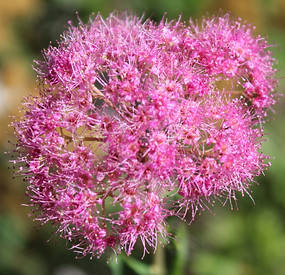
Figure 70: Spiraea splendens along Heart Lake Trail

Figure 71: Viola lobata along Heart Lake Trail
On the way out, we hiked through a number of different habitat types, but mainly forested hillsides. I knew there was supposed to be some Vaccinium cespitosum along the way as well so I was keeping an eye out for it. None of it was in flower and maybe only 20% of it was fruiting from what I saw so it took me a minute to determine what it was for sure. I like how the fruits are a slightly bluer green in comparison to the leaves of the plant. I can't wait to see it in flower one day.
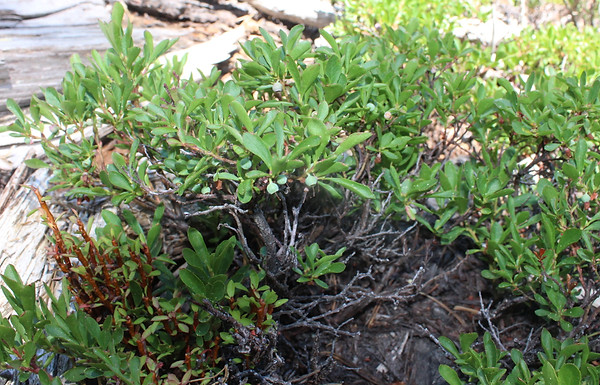

Figure 71: Vaccinium cespitosum along Heart Lake Trail
Figure 72: Sidalcea glaucescens along Heart Lake Trail

Once we reached Heart Lake, Dr. Potter pointed out an aquatic plant called Menyanthes trifoliata. It has beautiful, incredibly hairy flowers on racemes that stick prominently out of the water. While it was not in flower when we were visiting, I hope to go back and check it out next year if I have the time.
I headed southward around the lake to try and find one last flower, as well as see if there were any new plants I hadn't seen yet. I didn't find any flowers but I did come upon large swaths of Orthilia secunda. Then I headed back to where everyone else was because I got FOMO on any plants they had found.

Figures 72 & 73: Menyanthes trifoliata at Heart Lake
I found everyone on a large boulder (?). Roqia was collecting Eriogonum umbellatum var. modocense. Its flowers hung downwards, which I'm pretty sure is relatively unique in comparison to most Eriogonum species. I wonder if that aids in plant pollination somehow.
Marco and Andy also mentioned seeing Pyrola aphylla on the way out to the lake, which I hadn't seen and was not familiar with. They explained to me that it was a leafless, parasitic Pyrola that hasn't actually been found inside Lassen park. I made sure they pointed it out to me on the way back, and I would definitely say this was my favorite plant of the day.


Figures 74 & 75: Pyrola aphylla on the Heart Lake Trail
Days 11 & 12: July 23rd & 24th
Thursday and Friday of the second week were keying, pressing, and presentation days. Each student was expected to prepare a 5-7 minute presentation about the plants we collected over the course of the last week and a half, focusing on two plants we particularly liked. For my presentation, I talked about Cassiope mertensiana and Gaultheria humifusa. Friday afternoon, the people leaving were required to clean up the MCR. The people staying the extra night made plans to go to a swim spot just down the road from our camp site. I took a photo of the spot right when we got there because I knew I would forget once we started swimming.
After swimming, we got dinner at the Mineral Lodge one last time and went back to the cabins to hang out.
Day 13: July 25th
Saturday morning I woke up around 7:15 am and went to the cabins to eat breakfast and start cleaning. We spent a couple hours getting everything spick and span, and then myself, Adelie, Erin, Marco, and Andy made plans to do the Brokeoff Mountain Trail again. I originally proposed this to John and Adelie because some of the groups had come upon Allotropa virgata on the previous Brokeoff hike we did the week before. I had not gotten to see it and I definitely consider A. virgata to be a bucket list plant, or maybe what the birding community would call a lifer.
John ended up dipping out because he had stuff he needed to get done at home, and Erin asked if I could drive them back to Davis. Adelie told Andy and Marco about our plan and they were also interested in seeing A. virgata. Erin, Adelie, and I went back to our campsite to pack up our tents, and then we all drove to the trailhead.
We'd gotten less than a half mile into the trail when Andy poked his finger into a pitch pocket on what I *think* is the trunk of Abies concolor. The resin immediately shot out of the pitch pocket. I made Andy do it again so I could take a slow motion video, which

Figure 76: Swim spot near Lassen Headquarters with Jocelyn and Adelie
you can watch here, just below the video of John stepping on the Astragalus whitneyi. You'll notice the speed at which the resin shoots outward makes the video look like it's not even slowed down.
Doing the hike for a second time made me realize just how much I had adjusted to hiking everyday over the course of the class. I love when I am spending most of my days outdoors doing physical activity like this--it makes me feel very healthy.

Figure 77: Forest Lake along Brokeoff Mountain Trail
The lake was so beautiful and it was very tempting to swim in especially when we first got there. However, I was on a mission. Adelie had been in the previous group that had found the Allotropa virgata, so she directed us toward the area where they saw it.
It didn't take long for us to find it, and luckily it was still in flower. I don't usually do this, but I even got Erin to take a photo of me with it! In my head, this plant would taste like peppermint asparagus.

Figure 79: Allotropa virgata along Brokeoff Mountain Trail
I don't usually take photos of people, but I guess I may have been a little sentimental about the class was ending because I took photos of everyone on this day. We spent about 45 minutes to an hour looking at the A. virgata and walking around the lake before we hiked back.

Figure 78: A small outlet at Forest Lake along Brokeoff Mountain Trail

Once we got back to our cars, we went over to the Kohm-Yah-mah-nee Visitor Center anticipating ice cream. When we got there, we discovered that the food area had closed just before our arrival. While Adelie and Erin continued to wander around the visitor's center, Marco, Andy, and I went to go find the Gaultheria humifusa again. I had told them it was super easy to get to, but when headed over it ended up taking me an incredibly long time to find. Marco had remembered me mentioning that the fruits were edible during my presentation, and mentioned that there is a South American Gaultheria that is used to make ice cream. We decided to try them and Marco videoed to get our opinions. The berries were mildly sweet, and I took a few back to the car for Adelie and Erin to try as well. It would be so fun trying to make ice cream with it!
Figure 80: Allotropa virgata and I along Brokeoff Mountain Trail, taken by Erin

Figure 81: Andy chilling on a log by Forest Lake

Figure 82: Adelie (standing) and Erin (crouched) on a large rock near Forest Lake

Figure 83: Marco climbing a boulder near Forest Lake
When we got back in the car this time, we realized that it was dinnertime so we drove ~ an hour to a Mexican restaurant in town. After that, we parted ways with Marco and Andy and I drove Adelie and Erin back to their apartments in Davis. This day was a great way to finish off the class!
The Lassen field course was an amazing way to finish off four years at UC Davis. Dr. Daniel Potter is a fantastic educator, and this years class was full of fun, outgoing, and kind people. I can confidently say that this was my favorite college course, and it provided me with a ton of helpful information as a enter the 'real world' and begin my career in plant biology!